Sabarimala Makaravilakku
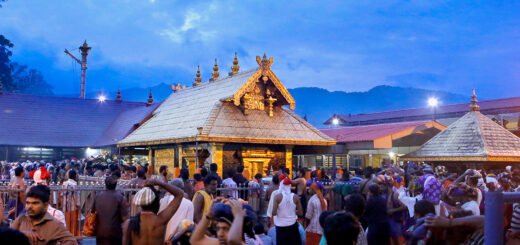
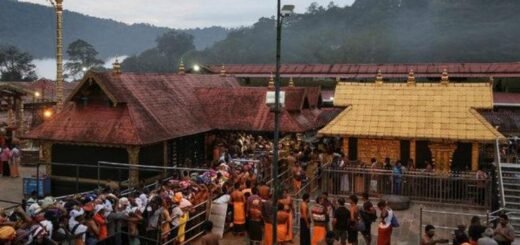
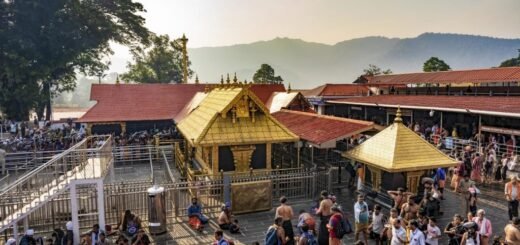
The Sabarimala Makaravilakku festival is one of the most sacred and spiritually significant events in India, attracting millions of devotees from across the world. Celebrated annually at the Sabarimala Temple in Kerala’s Pathanamthitta district, this grand event marks the climax of the Sabarimala pilgrimage season.
Every year, devotees gather to witness the appearance of the Makara Jyothi, a mysterious and divine light that shines on the horizon of Ponnambalamedu hills — believed to be a celestial manifestation of Lord Ayyappa’s blessings. The festival combines deep faith, devotion, and an age-old sense of spiritual unity.
The Spiritual Significance of Makaravilakku
The term “Makaravilakku” is derived from two Malayalam words — Makaram (the Malayalam month corresponding to mid-January) and Vilakku (meaning light or lamp). It coincides with Makara Sankranti, the day when the Sun moves from the zodiac sign Sagittarius (Dhanu) to Capricorn (Makaram), marking an auspicious celestial transition.
According to belief, the Makara Jyothi — the divine light that appears on the hill opposite the Sabarimala Temple — signifies Lord Ayyappa’s presence and blessings. For devotees, witnessing this light is considered the pinnacle of their spiritual journey and a moment of ultimate surrender and liberation.
The Myth and Legend Behind Makaravilakku
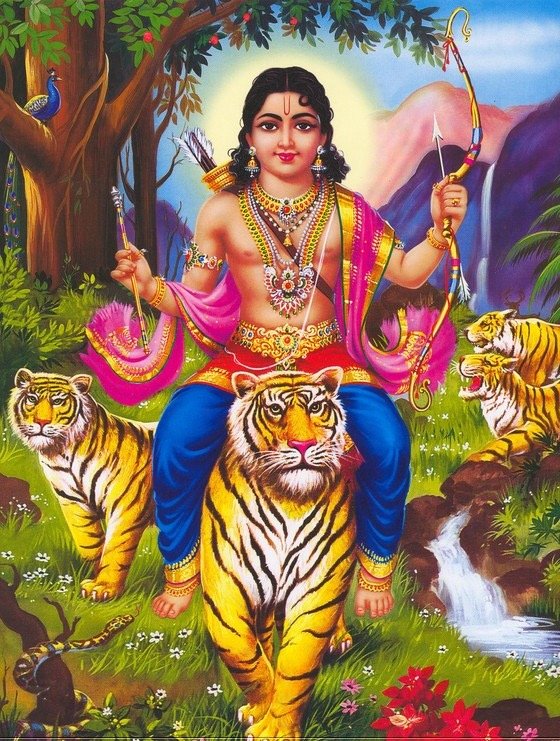
The legend of Sabarimala Makaravilakku is deeply connected to the story of Lord Ayyappa, the celibate deity born from the union of Lord Shiva and Mohini, the female form of Lord Vishnu. After fulfilling his divine mission of slaying the demoness Mahishi, Ayyappa retreated into the forests of Sabarimala for eternal meditation.
Before he entered his divine abode, he promised that he would bless every devotee who came to visit him with true devotion and purity. The Makaravilakku is believed to be the celestial signal of his continued presence, reminding devotees that the Lord still watches over them.
The Sabarimala Pilgrimage and Makaravilakku Connection
The Sabarimala pilgrimage begins in mid-November during the Mandala season and culminates with the Makaravilakku celebration in mid-January. Devotees observe a 41-day vratham (austerity period) before the journey, abstaining from non-vegetarian food, alcohol, and worldly pleasures.
They wear simple black or blue clothing, walk barefoot, and chant “Swamiye Saranam Ayyappa” — symbolizing equality and humility. The journey through the dense forests and hills ends at the Sabarimala Temple, where pilgrims climb the sacred Pathinettam Padi (18 steps) to reach the sanctum sanctorum.
The Makaravilakku day is the ultimate reward — the moment when pilgrims, after days of hardship and devotion, witness the sacred Makara Jyothi lighting up the night sky.
The Divine Phenomenon of Makara Jyothi
The highlight of the Sabarimala Makaravilakku festival is the Makara Jyothi — a light that appears three times on the distant hill of Ponnambalamedu, around 7 p.m. on Makaravilakku day.
For centuries, devotees believed it to be a divine manifestation of Lord Ayyappa. The atmosphere at Sabarimala during this moment is electric — millions chant “Swamiye Saranam Ayyappa” in unison, with tears of joy and faith.
Although in modern times it is known that the light is ceremonially lit by the Tribal Thazhamon family and the Kerala Forest Department, for devotees, the Makara Jyothi remains a powerful spiritual experience symbolizing hope, purity, and divine grace.
Rituals and Ceremonies During Makaravilakku
The Makaravilakku festival lasts for several days, with elaborate rituals performed at the Sabarimala Temple. Key rituals include:
- Deeparadhana (Lighting of Lamps): The temple is illuminated with hundreds of oil lamps, symbolizing the removal of ignorance and darkness.
- Makara Sankranti Pooja: The main offering to Lord Ayyappa, marking the Sun’s transition to Capricorn.
- Makara Jyothi Darshan: Devotees witness the divine light from Ponnambalamedu.
- Petta Thullal: A ritual dance performed by devotees at Erumeli, celebrating the victory of good over evil.
- Irumudi Kettu Ritual: Devotees carry the sacred twin-bag offering on their heads as part of the pilgrimage tradition.
These rituals symbolize the complete surrender of the soul to the divine and the triumph of faith over materialism.
When Is Sabarimala Makaravilakku 2026?
In 2026, the Sabarimala Makaravilakku festival will be celebrated on January 14, 2026, coinciding with Makara Sankranti. The temple will open for the Makaravilakku Mahotsavam several days earlier, allowing devotees to participate in poojas, rituals, and darshan before the divine event.
Pilgrims from across India — particularly from Kerala, Tamil Nadu, Andhra Pradesh, Karnataka, and Telangana — travel to Sabarimala during this period. With the advancement of technology, devotees can now register for Sabarimala online booking and secure their darshan slots through the official portal before visiting.
The Atmosphere During Makaravilakku
During the Makaravilakku festival, the usually quiet Sabarimala hills transform into a vibrant sea of humanity. The chants of “Swamiye Saranam Ayyappa” echo through the forests, the aroma of camphor and incense fills the air, and every devotee’s face glows with anticipation.
The Pamba River, Nilakkal base camp, and Sannidhanam remain packed with pilgrims. Many walk barefoot for miles through rugged paths, while others take part in group prayers and community meals (annadanam).
When the Makara Jyothi finally appears, millions fold their hands in prayer — for many, it’s a once-in-a-lifetime moment of divine connection.
Safety and Management During Makaravilakku
Given the immense crowd during Sabarimala Makaravilakku, the Kerala Police and Travancore Devaswom Board implement strict crowd control and safety measures. Pilgrims are encouraged to:
- Register for Virtual Q (online booking) for crowd management.
- Follow temple guidelines for waste disposal and cleanliness.
- Avoid overcrowded routes and follow the assigned trekking paths.
- Stay hydrated and carry basic first aid.
Medical aid centers, drinking water facilities, and rest points are arranged along the trekking routes to ensure a safe pilgrimage for all.
The Message of Sabarimala Makaravilakku
Beyond rituals and myths, Makaravilakku carries a deeper spiritual message. It represents the light of divine knowledge that dispels the darkness of ignorance and ego. The appearance of the Makara Jyothi reminds devotees that God’s light shines eternally — within the forests, the temple, and within every human heart.
The festival also stands for equality and brotherhood. All pilgrims, irrespective of caste, creed, or social background, wear the same simple attire, chant the same hymns, and climb the same 18 steps — proving that before Lord Ayyappa, everyone is equal.
Environmental Awareness and Pilgrim Responsibility
The Sabarimala hills are part of the ecologically fragile Western Ghats, home to diverse flora and fauna. Authorities continually remind devotees to maintain cleanliness, avoid plastic, and respect the forest environment.
The true spirit of Sabarimala Makaravilakku lies not only in witnessing the divine light but also in preserving the sanctity of nature that surrounds the temple.
Conclusion
The Sabarimala Makaravilakku festival is more than a visual spectacle — it is a spiritual awakening that transcends time, geography, and religion. For millions of devotees, witnessing the Makara Jyothi is the culmination of months of devotion, discipline, and faith.
As the sacred light appears in the night sky over Ponnambalamedu, hearts are filled with peace, humility, and divine joy. It reminds every pilgrim that the light of Lord Ayyappa shines forever, guiding humanity toward truth and enlightenment.
Swamiye Saranam Ayyappa!