Sabarimala Temple
Complete Guide to Lord Ayyappa’s Sacred Pilgrimage in Kerala
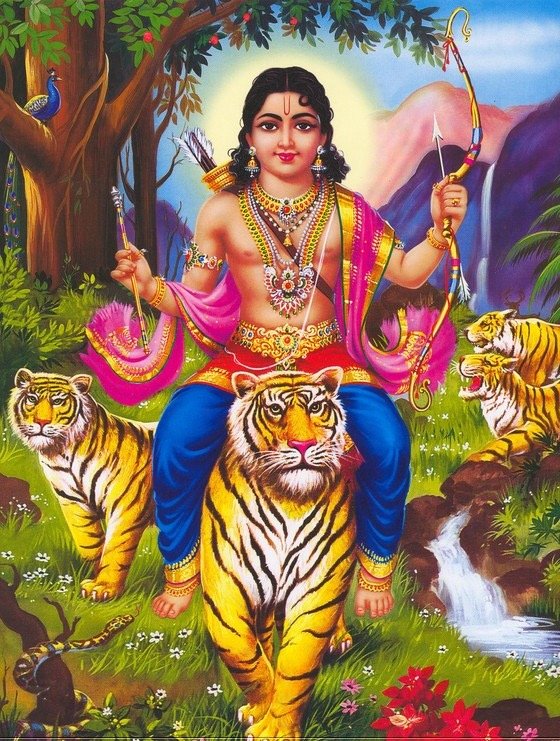
Hidden deep in the Western Ghats of Kerala, Sabarimala Temple stands as one of India’s most sacred and spiritually powerful destinations. Dedicated to Lord Ayyappa, the celibate deity symbolizing purity and unity, Sabarimala draws millions of pilgrims each year who undertake a 41-day journey of austerity before reaching the divine sanctum.
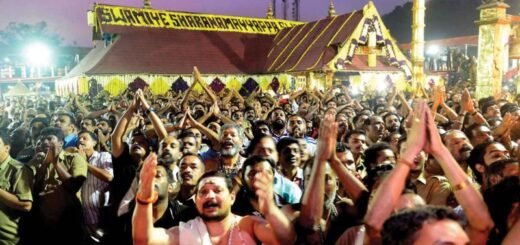
Unlike many Hindu temples, Sabarimala opens only during specific seasons, transforming the forest-clad hills into a sea of devotion and chants of “Swamiye Saranam Ayyappa.” This is not just a pilgrimage—it’s a life-changing spiritual journey.
The Legend of Lord Ayyappa
The story of Lord Ayyappa forms the heart of the Sabarimala pilgrimage. Born from the divine union of Lord Shiva and Mohini (Lord Vishnu’s female incarnation), Ayyappa embodies the harmony of Shaivism and Vaishnavism.
Raised by the Pandalam royal family, Ayyappa fulfilled his divine duty by slaying the demoness Mahishi. Afterward, he chose to live in eternal meditation at Sabarimala, blessing all who come to him with faith and purity. His message of equality, discipline, and devotion continues to inspire millions of followers.
Location and Spiritual Setting
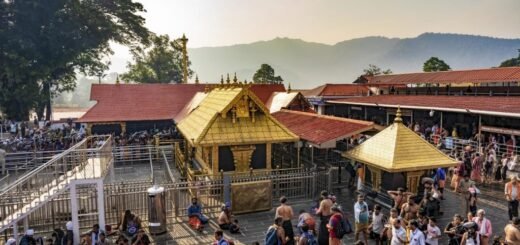
Situated about 3,000 feet above sea level in Kerala’s Pathanamthitta district, Sabarimala Temple is surrounded by the tranquil wilderness of the Periyar Tiger Reserve. The temple’s serene environment, accessible only through dense forests and rivers, symbolizes the journey of the soul from chaos to clarity.
The main deity, Lord Ayyappa, sits in meditation pose, while nearby shrines such as Malikappurathamma and Vavar Swamy represent divine femininity and religious harmony respectively—making Sabarimala a truly inclusive pilgrimage destination.
The 41-Day Vratham: Path of Purification
Before setting out for the Sabarimala pilgrimage, devotees must observe a 41-day vratham (austerity period). During this time, pilgrims abstain from meat, alcohol, and worldly pleasures. They wear black or blue attire, walk barefoot, and practice daily prayers and meditation.
This vratham represents detachment from material life and purification of mind and soul. Each pilgrim carries the Irumudi Kettu, a sacred twin-compartment bundle that holds offerings for the Lord and personal essentials, symbolizing surrender to the divine.
The Sacred Trek and the 18 Holy Steps (Pathinettam Padi)
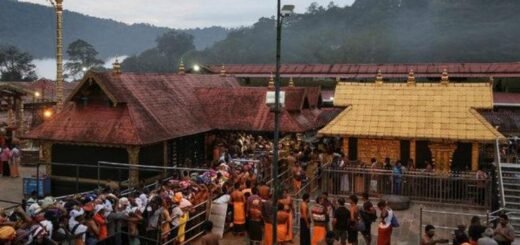
The pilgrimage culminates at Pamba River, where devotees bathe before trekking uphill to Sabarimala Temple. The final ascent—the Pathinettam Padi (18 Golden Steps)—is the most sacred part of the journey.
Each step is said to represent one aspect of human existence, from the senses to the elements, that must be transcended to attain spiritual liberation. Only pilgrims carrying the Irumudi Kettu are allowed to climb these steps, highlighting humility and discipline as keys to reaching Lord Ayyappa.
Sabarimala Temple Season and Festival Calendar
Sabarimala Temple is open to devotees only during specific times of the year:
- Mandala Pooja – Mid-November to late December
- Makaravilakku Festival – Mid-January
- Vishu Festival – Mid-April
- Monthly Opening – First five days of every Malayalam month
The Mandala-Makaravilakku season is the most significant, attracting millions of devotees from across India and abroad. The sight of the Makara Jyothi—a celestial light appearing in the sky—is considered the divine blessing of Lord Ayyappa.
Temple Rituals and Offerings
Inside the sanctum, devotees offer ghee-filled coconuts, symbolizing the soul’s surrender to God. Other popular offerings include aravana payasam, appam, and malas worn during the vratham period.
The pilgrimage is marked by simplicity—every devotee, regardless of caste, status, or background, is treated as an equal Ayyappan, reflecting the temple’s deep message of oneness and humility.
Inclusivity: The Shrine of Vavar Swamy
A remarkable aspect of Sabarimala is its spirit of inclusivity. Every pilgrim visits the Vavar Swamy mosque at Erumeli before proceeding to Sabarimala. Legend holds that Vavar, a Muslim warrior, was Lord Ayyappa’s companion and devotee. This interfaith connection represents Sabarimala’s timeless message of religious harmony.
Women and the Sabarimala Controversy
For centuries, women aged between 10 and 50 were barred from entering the temple due to the celibate nature of the deity. However, the 2018 Supreme Court verdict lifted this restriction, allowing women of all ages to worship.
The debate around Sabarimala women entry continues, reflecting the balance between preserving tradition and embracing equality in modern India.
Sabarimala Travel Guide
How to Reach Sabarimala:
- Nearest Airport: Cochin International Airport (COK) – 160 km
- Nearest Railway Station: Chengannur – 93 km
- By Road: KSRTC buses connect major cities in Kerala and Tamil Nadu to Pamba, the main base camp.
- Trek: From Pamba, devotees must walk about 5 km uphill to reach the temple.
Accommodation:
Pilgrims can stay at Nilakkal, Pamba, or Sannidhanam. Early booking is recommended during the Sabarimala season.
Tip: Register online for Sabarimala darshan tickets on the official Kerala government portal to avoid long queues.
Environmental and Safety Measures
Sabarimala lies within a protected forest ecosystem. Devotees are urged to respect nature by avoiding plastic, maintaining cleanliness, and following eco-friendly practices. The Kerala Police and Devaswom Board ensure medical and security assistance throughout the pilgrimage route.
The Spiritual Essence of Sabarimala
For millions, the Sabarimala pilgrimage is not just a ritual—it’s a spiritual awakening. The trek through the forest, the chant of “Swamiye Saranam Ayyappa,” and the glow of Makara Jyothi in the night sky combine to create an unforgettable experience.
It teaches humility, discipline, and the realization that divinity lies within every soul.